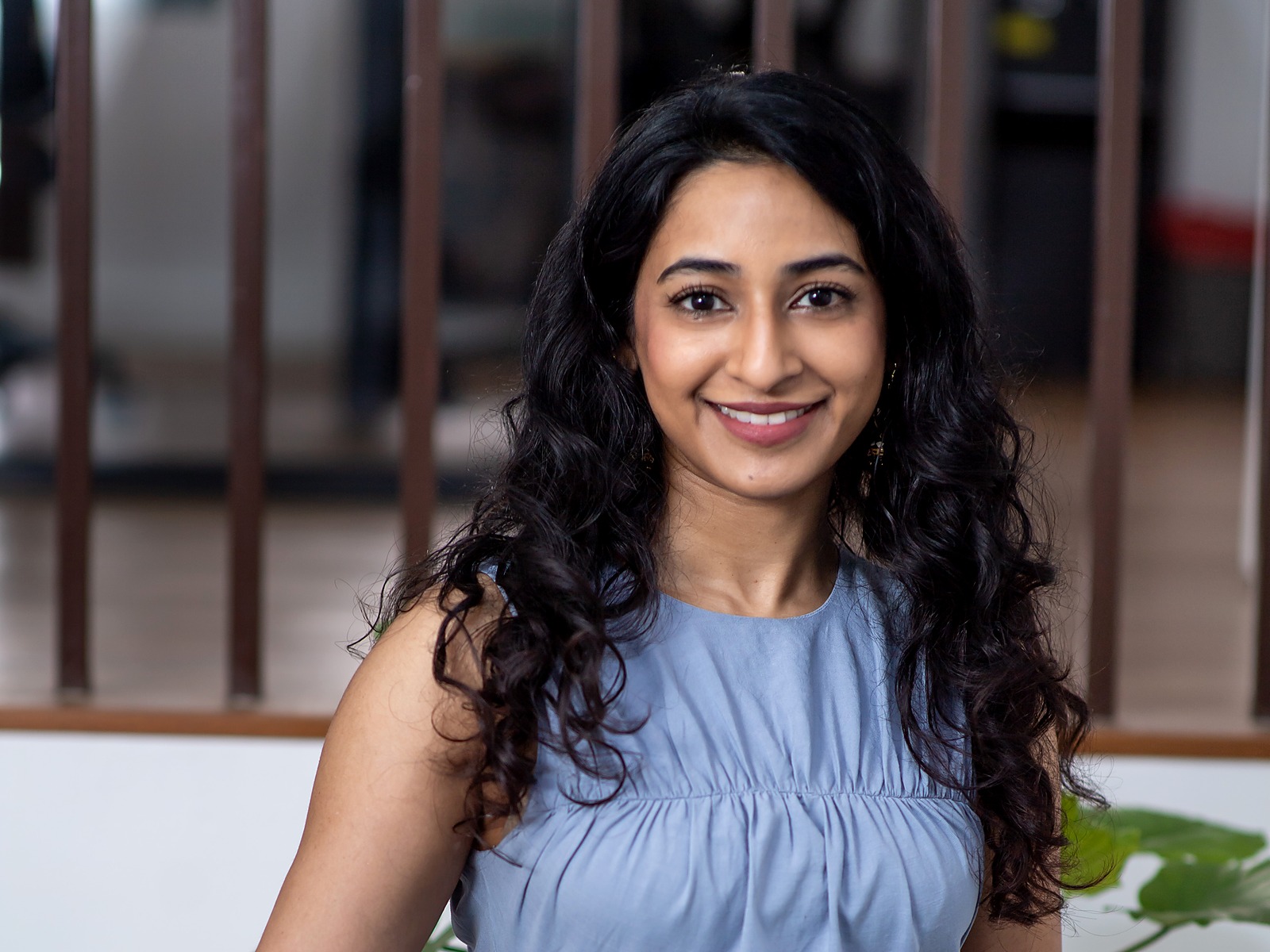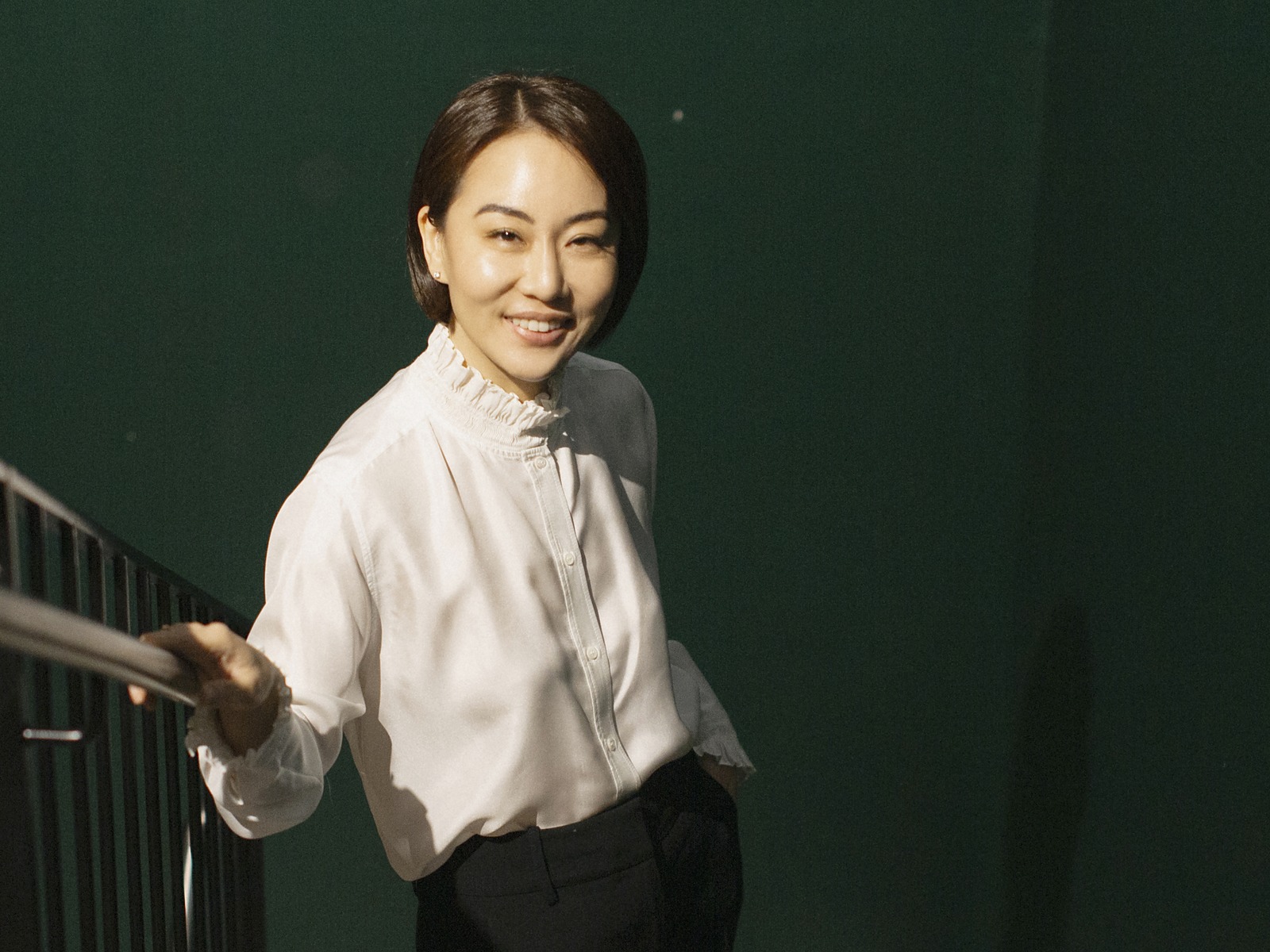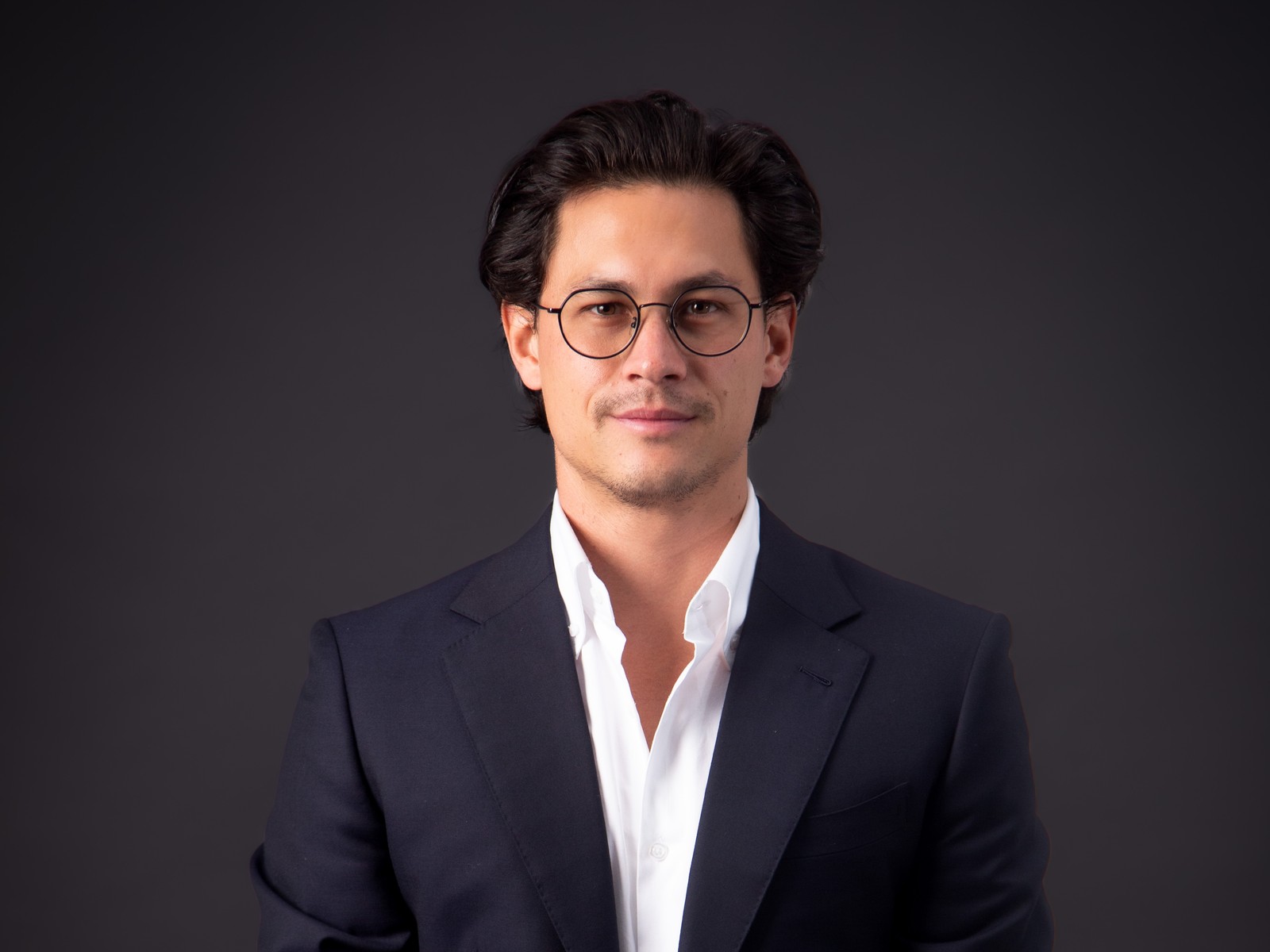
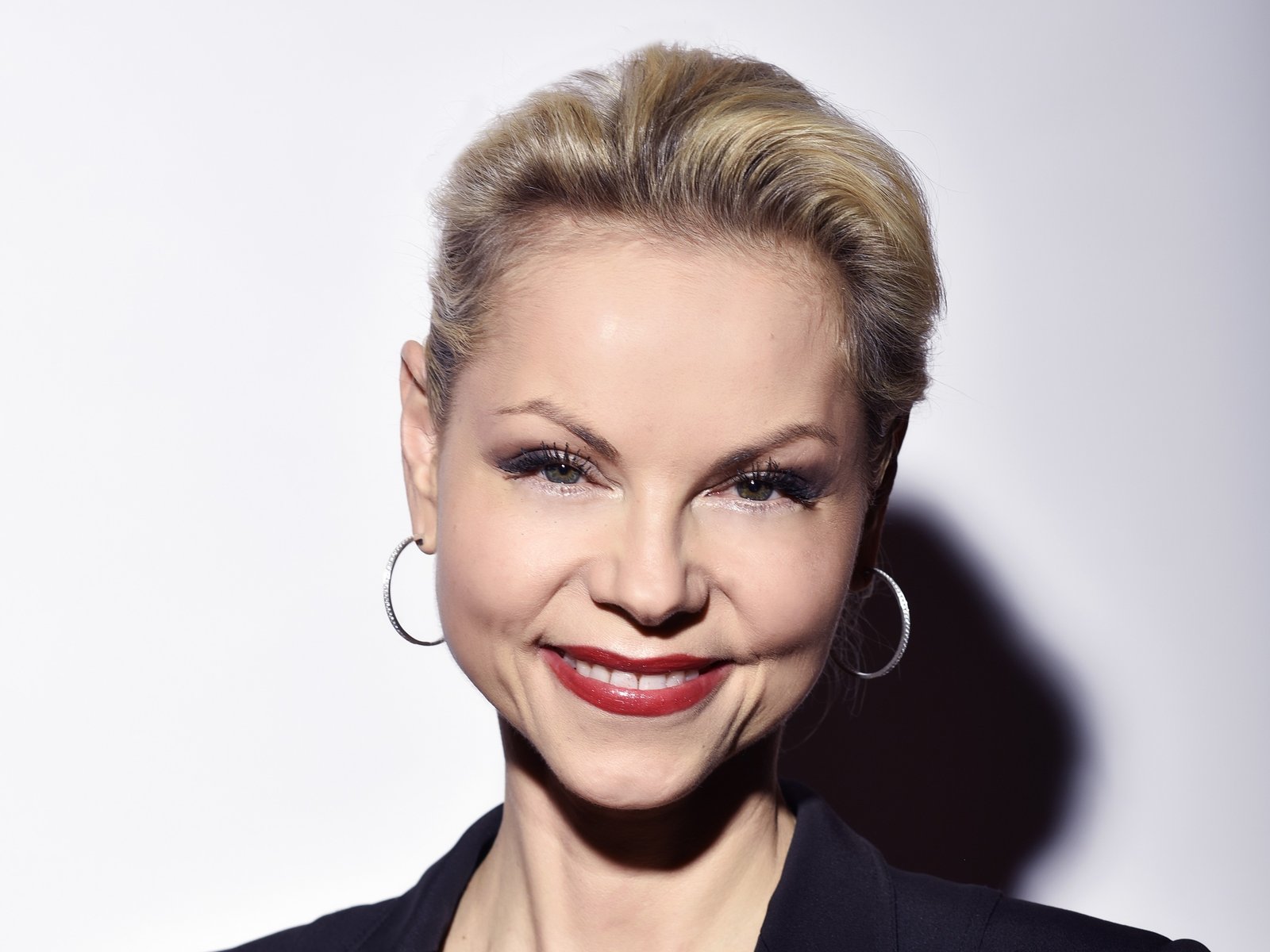
Patricia Falco Beccalli is a Founding Partner of Falco Global Partners, a Zurich-based private equity firm that invests in mid-sized legacy companies and in the disruptive technology that can modernize them. Before moving into investing, she spent more than a decade as a financial news anchor at CNBC.
Falco Global Partners was founded by eight partners, and its leaders each bring a vertical of operating expertise, from strategy and finance to HR, supply chain and go-to-market. The firm does not hand companies a report and leave. It stays on the ground and owns part of what it improves.
“We invest in these companies as shareholders, frequently with a majority stake, and take an active role in their day-to-day operations. That means their success is directly tied to ours,” Falco Beccalli says.
Readjusting What History Had Taken Away
Falco Beccalli was born in Vienna and raised in Germany by Hungarian parents who had fled communism as political refugees. Before the Second World War her father’s family had been well established. Much of it, along with its wealth, was destroyed in the Shoah, and her father survived only because he was given away as a baby. He arrived in Germany with 20 Deutschmarks and a suitcase.
Her ambition grew out of that family heritage and not out of financial scarcity. Asked whether it made her want to become a billionaire, she answers, “Not consciously.” What it gave her was a drive to correct things.
“It was just readjusting what history had taken away,” she says.
Her parents had little money but a strong intellectual heritage, and they raised her with one message.
“We gave you the chance. You were raised in freedom. Make the most of it,” she recalls.
From the Trading Floor to the Anchor Desk
Her dream was to become an actress, and she had pursued acting as a hobby since childhood. She also trained to become a professional ballet dancer at Dr. Hoch’s Konservatorium in Frankfurt.
Instead, she studied economics and communication in the UK. After graduation, a chance conversation at a street festival led to a job at Lehman Brothers in Frankfurt, where the head of equity derivatives was building the trading desk.
She liked the finance but not the atmosphere on the floor, and moved on to Robert Fleming in London, where she took the London Stock Exchange broker exam, and then to Citigroup in Luxembourg, managing portfolios for private clients.
Radio pulled her back toward communication, and a year at Rai in Italy, producing the stock market segment of an economic program, showed her how finance and communication could fit together. She sent audition tapes to CNN and CNBC, and CNBC called back almost at once. Within weeks she was on air, and within months she was hosting her own live TV shows.
Speaking with guests on her shows changed how she perceived leaders.
“The higher the person was up, the more relaxed they were,” she says. “The people who made it complicated were middle management and the PR people.”
Finding Agency
Falco Beccalli left CNBC after meeting her husband, then running GE International, at an event she was hosting. She does not pretend it was easy.
“It’s not what you do per se, it’s who you are deep down identifying with your job. And you express that through what you do. I didn’t have another identity or passion, really. No other profession moved my heart,” she says.
She wrote a book on Germany’s Agenda 2010 reforms at the request of Bocconi University. Then she turned to investing in public markets, and she was not happy with the stock market’s volatility.
“I didn’t have agency. I’m not a billionaire investor who can move markets, so I was always prey to greed or fear of a huge investor pool. I didn’t feel any sense of control when markets started moving against my expectations,” she explains.
She moved her own money into young companies instead, attending angel events in Zurich, joining boards and offering her network along with capital. Her husband, who had taken an operating role at a US private equity firm, noticed how operational her instincts were. Together they founded Falco Global Partners.
“The higher the person was up, the more relaxed they were.”
Operational Alpha
Falco Beccalli describes the idea with a retail shop. A buyer likes the branding and the products, but the business is not flying, and the cause lies in management, process or how the company is run. Bad news for the shop owner. Good news for a potential investor, able to adjust these issues.
“You see an operational alpha there,” she says.
In her view, much of private equity at the time looked almost only at the financials, restructured the balance sheet and sold. Falco Global Partners goes further and tries to raise a company’s intrinsic value.
Each partner leads a vertical, and each has what she calls “mini-me’s,” a network of operators who join a portfolio company on a project basis and work daily with its team. She contrasts this with consultants.
“They give you a bunch of papers and say, here you go. We say this is our analysis, this is what needs to be done, and this is what we can do for you,” she says.
The portfolio is built to work as an ecosystem. Falco Global Partners invests in legacy infrastructure businesses and also in technology platforms that can supply what those businesses lack, so that value, and sometimes a client or an exit, can stay within the family.
“We think everything is already digitalized. It’s not,” she says.
How You Do Anything, You Do Everything
In founders, she looks for the person before the product. Many founders understand what they have built but not how to turn it into a business, so she looks for openness to help and the stamina to carry it through.
“The strongest or the weakest link of anything, a family, a friendship, a business, is the person,” she says.
Her due diligence goes beyond the pitch. She watches how a founder treats a waiter, and what he is like when the meeting is over.
“How you do anything, you do everything. It’s the in-between lines that show you the true colors, and those true colors will come through, especially in a crisis in the business,” she says.
A Tool, Not a Threat
On artificial intelligence, Falco Beccalli takes a position that sounds contrarian.
“AI is a tool,” she says.
Every disruptive technology, from ATMs to the internet, brought fear and then regulation. Her concern is less AI itself than systems that may be starting to show signs of life. The genie is out of the bottle, she says, and the task now is to manage it.
“How you do anything, you do everything.”
She also refuses to promise that jobs will survive.
“The worst thing a CEO can say is that there will be no job loss, because it’s a lie,” she says.
Her test is financial. If AI makes a company more profitable, it can grow, and the arithmetic often works out. A plant that once needed 100 people may now run with 30, but a company with better margins may open ten plants, which means 300 jobs instead of 100.
The human role does not disappear, she argues.
“I’m the idea generator. I am the frame giver,” she says.
In her view, soft skills will be the strong hard skills going forward.
Her advice to investors is simple: do not say no to AI, and invest in cybersecurity. “Best investment ever.”
A Good Business, Not a Behemoth
Over the next five to ten years, Falco Global Partners aims to manage at least US$20 to 30 billion and reach its fifth or sixth fund. Growth, though, should not turn the firm into “a behemoth that is more process and governance than people doing good things.” The team will stay small and loyal, develop the next generation of leaders, and keep saying no to companies where the founder or the approach is not aligned with the firm’s vision.
She wants the firm to stay resilient and flexible in a world that keeps changing, with partners from the Far East to the US and Europe who share its values.
“I want Falco Global Partners to never lose its actual purpose of creating intrinsically strong businesses through being a good business,” she says.
“I want Falco Global Partners to never lose its actual purpose of creating intrinsically strong businesses through being a good business.”