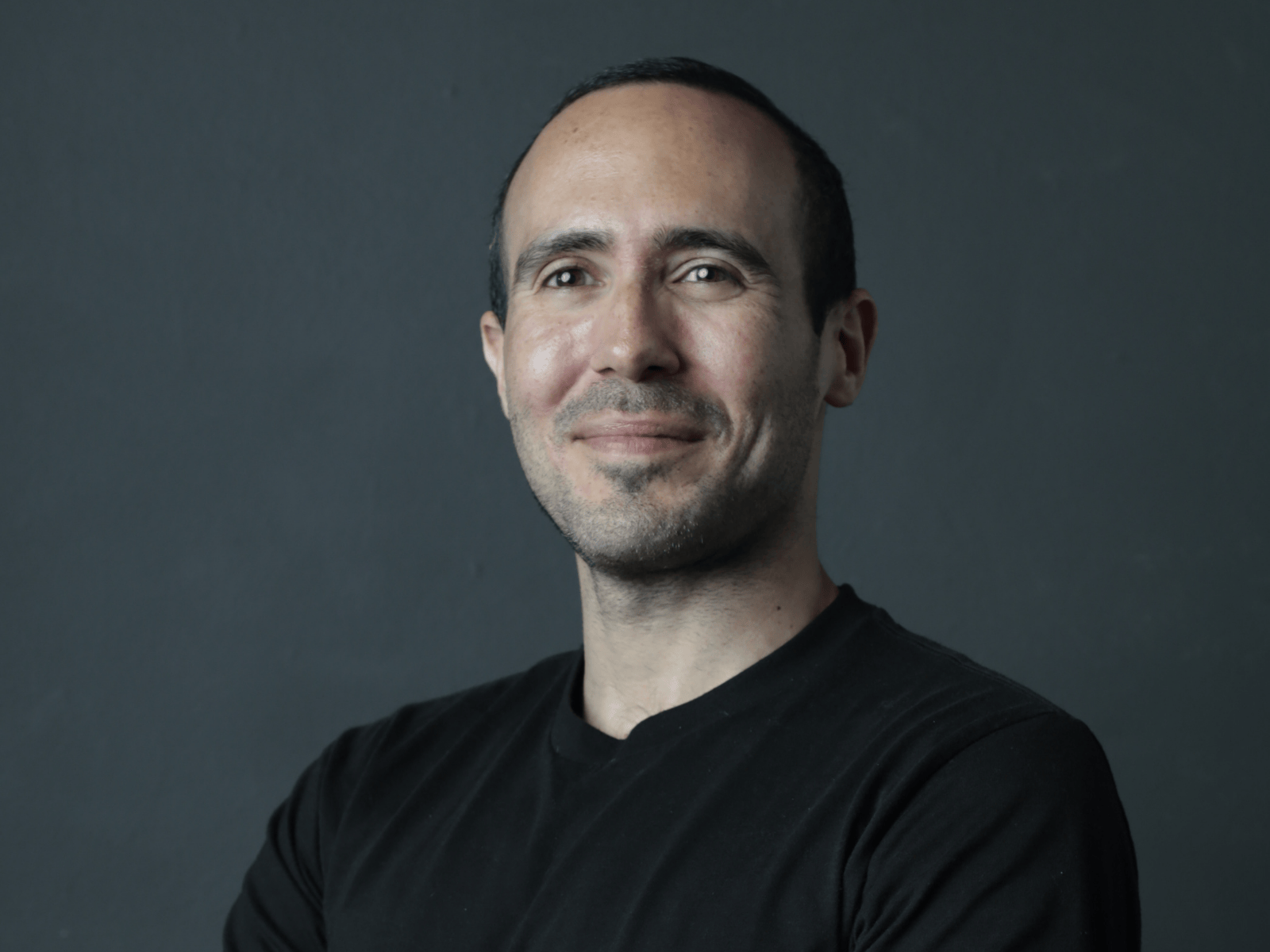
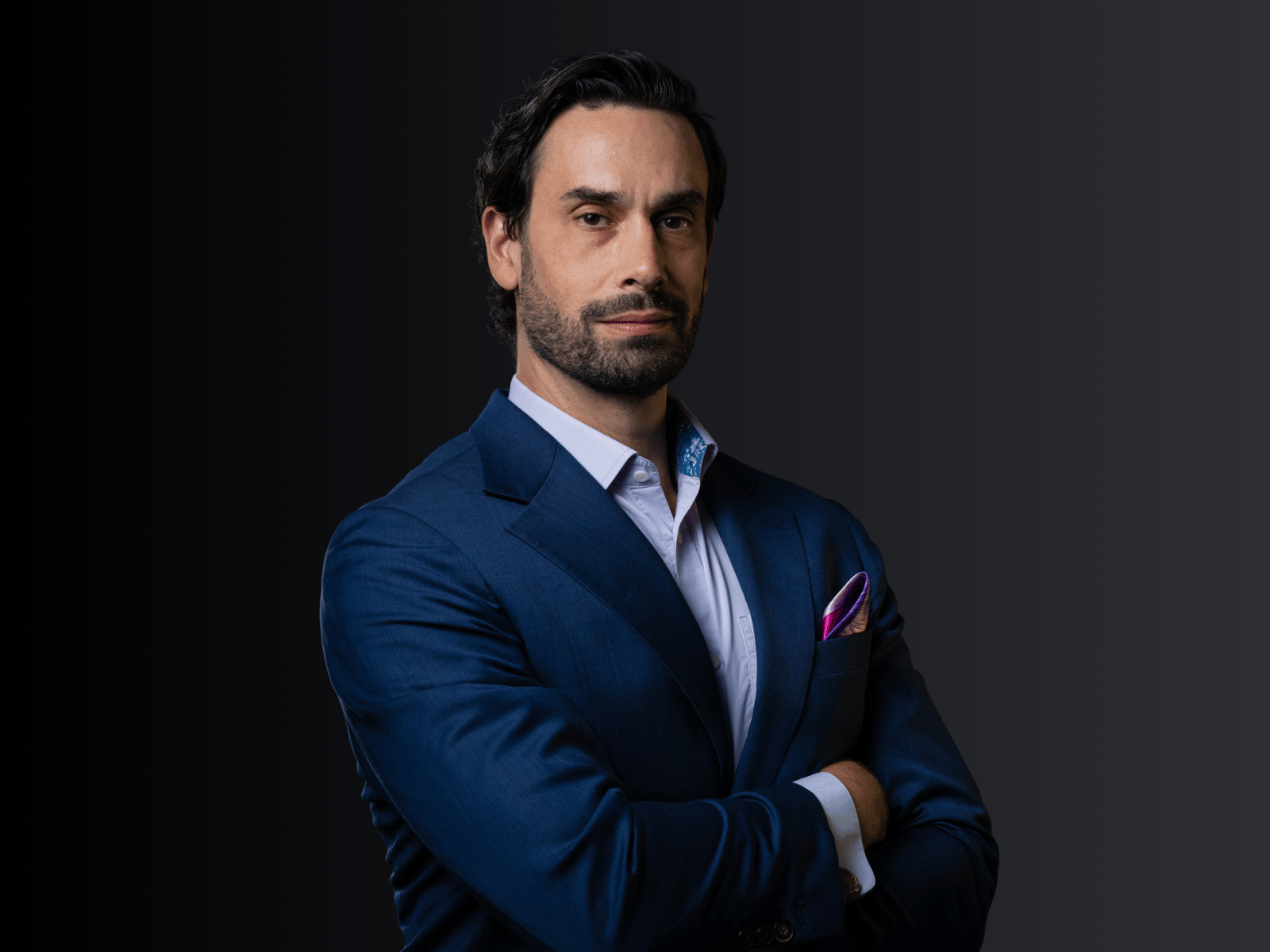
Vinnie Lauria is the Founding Partner of Golden Gate Ventures, one of Southeast Asia’s most established venture capital firms. Over the past fifteen years, he has invested in more than 100 startups across Asia and the Middle East while helping entrepreneurs scale businesses in some of the world’s fastest-growing markets.
Beyond investing, Lauria recently published Mind The Gap: Scaling Businesses Across Cultures, a book based on lessons learned from operating, investing, and building partnerships across more than thirty countries. Drawing on interviews with over fifty founders, executives, and investors, the book explores one of the most overlooked challenges in business growth: navigating cultural differences.
For Lauria, the biggest obstacles to international expansion are rarely financial.
“Most people think expansion fails because of strategy or capital,” he says. “In reality, many companies struggle because they don’t understand how different cultures operate.”
From Silicon Valley to Southeast Asia
Lauria’s path into venture capital began long before Golden Gate Ventures.
As a teenager, he taught himself programming by reading computer science books at Barnes & Noble because he could not afford to buy them.
“I would read the books in the store, go home, and practice programming,” he recalls.
That curiosity led him to IBM and later to Silicon Valley, where he co-founded two startups and gained first-hand experience building technology companies.
“Silicon Valley rewired my brain,” he says. “It taught me that young people with very little experience can still tackle incredibly large problems.”
The Opportunity Nobody Was Seeing
In 2010, Lauria spent more than a year traveling across Asia. During the trip, he visited Southeast Asia, China, and India, gaining first-hand exposure to startup ecosystems at very different stages of development.
While China already had technology giants such as Alibaba and Tencent, and India had an established venture capital ecosystem, Southeast Asia was at a much earlier stage.
Wherever he went, whether in Singapore, Jakarta, or Bangkok, entrepreneurs asked the same question: “How do I raise money?”
“Nobody in China asked that. Nobody in India asked that,” Lauria says.
He saw a region with strong entrepreneurial ambition but limited access to venture capital and startup support. At the same time, internet adoption and consumer demand were growing rapidly across Southeast Asia.
When Lauria spoke with investors in Silicon Valley about backing startups in Southeast Asia, the reaction was often the same: “I don’t do anything outside the U.S.”
To Lauria, that signaled a market with significant potential but little investor attention. The experience ultimately led him to establish Golden Gate Ventures in 2011.
Investing in Emerging Startup Ecosystems
The firm’s strategy was based on a simple idea: invest in emerging startup ecosystems before they become obvious to everyone else.
“We didn’t define ourselves by Southeast Asia,” he says. “We defined ourselves as a top VC in emerging startup ecosystems.”
That approach continues to guide the firm today.
After more than a decade in Singapore, Lauria relocated to Vietnam, where he sees strong long-term growth driven by manufacturing, technology, and talent development.
As companies such as Samsung, Apple, and Foxconn continue expanding their operations in the country, he believes Vietnam is positioned to become one of Asia’s most important growth markets.
“A lot of countries grow on resources they have in the ground. Vietnam is going to grow on people’s talent and work ethic.”
Golden Gate Ventures has also expanded into the Gulf region through a dedicated MENA fund.
Having witnessed the role government support played in Singapore’s startup ecosystem, Lauria believes similar dynamics are now emerging across the Middle East. Governments across the region are investing heavily in entrepreneurship, technology, and innovation.
“I think the Middle East is going to become an increasingly important global hub over the next twenty years,” he says.
Why Most International Expansions Fail
Lauria’s recent book, Mind The Gap: Scaling Businesses Across Cultures, draws on lessons from more than fifteen years of investing across Asia and interviews with over fifty founders, executives, and investors operating in more than thirty markets.
One of the book’s central themes is adaptability.
“You’re not going to bend thousands of years of cultural history because your way is the right way.”
According to Lauria, many companies underestimate how differently business relationships, negotiations, hiring practices, and decision-making processes operate across markets.
The book explores these differences through a series of case studies and interviews with leaders who have built businesses internationally.
One example that stood out to Lauria was the Polish startup Booksy.
“A haircut doesn’t translate,” he says.
As Booksy expanded internationally, the company discovered that even something as simple as booking a haircut worked differently from country to country. In some markets, salons manage bookings and payments centrally, while in others individual stylists effectively operate as independent businesses. As a result, the same software required different features and business models depending on the market.
For Lauria, it is a simple example of a much broader lesson: successful international expansion often requires adapting to local realities rather than assuming what works in one country will work in another.
From the Internet to AI
When asked what excites him most intellectually today, Lauria does not hesitate: artificial intelligence.
Having witnessed the early days of the internet firsthand, he sees strong parallels between the two technological shifts.
“I feel the same way about AI right now,” he says. “We’re still really, really early days.”
Just as few people could predict how profoundly the internet would reshape society, Lauria believes we are only beginning to understand how artificial intelligence will transform business and everyday life.
“There have only been two moments in my life that felt like this,” he says. “The internet—and now AI.”
Success Beyond Investing
Lauria’s definition of success has evolved over the course of his career.
Today, success is less about individual investments and more about building organizations and ecosystems that continue to grow beyond any single person.
“As a leader, success is building something that becomes bigger than you.”
For Lauria, that applies not only to Golden Gate Ventures, but also to the startup ecosystems he has spent more than a decade helping to develop across Asia and beyond.