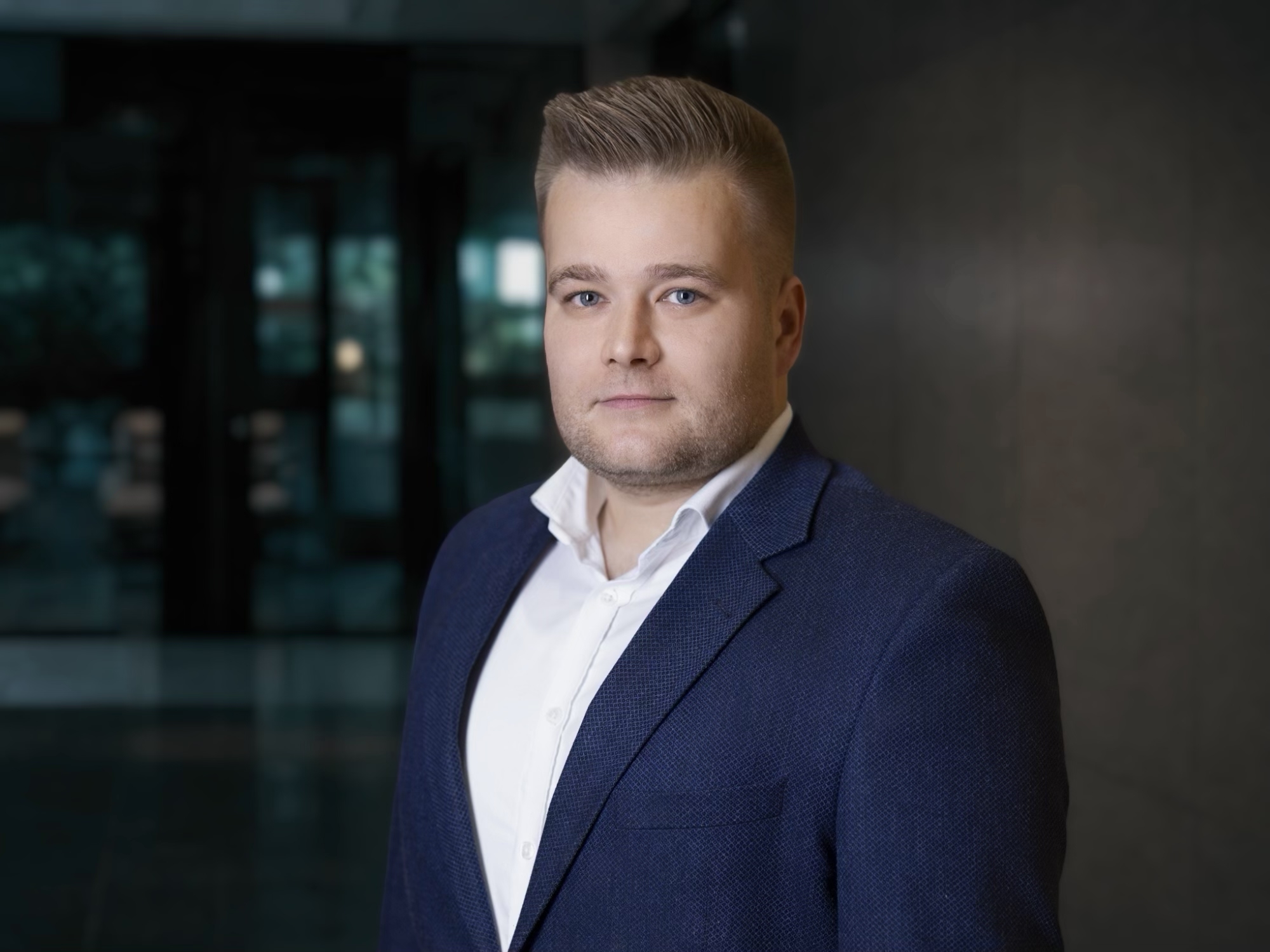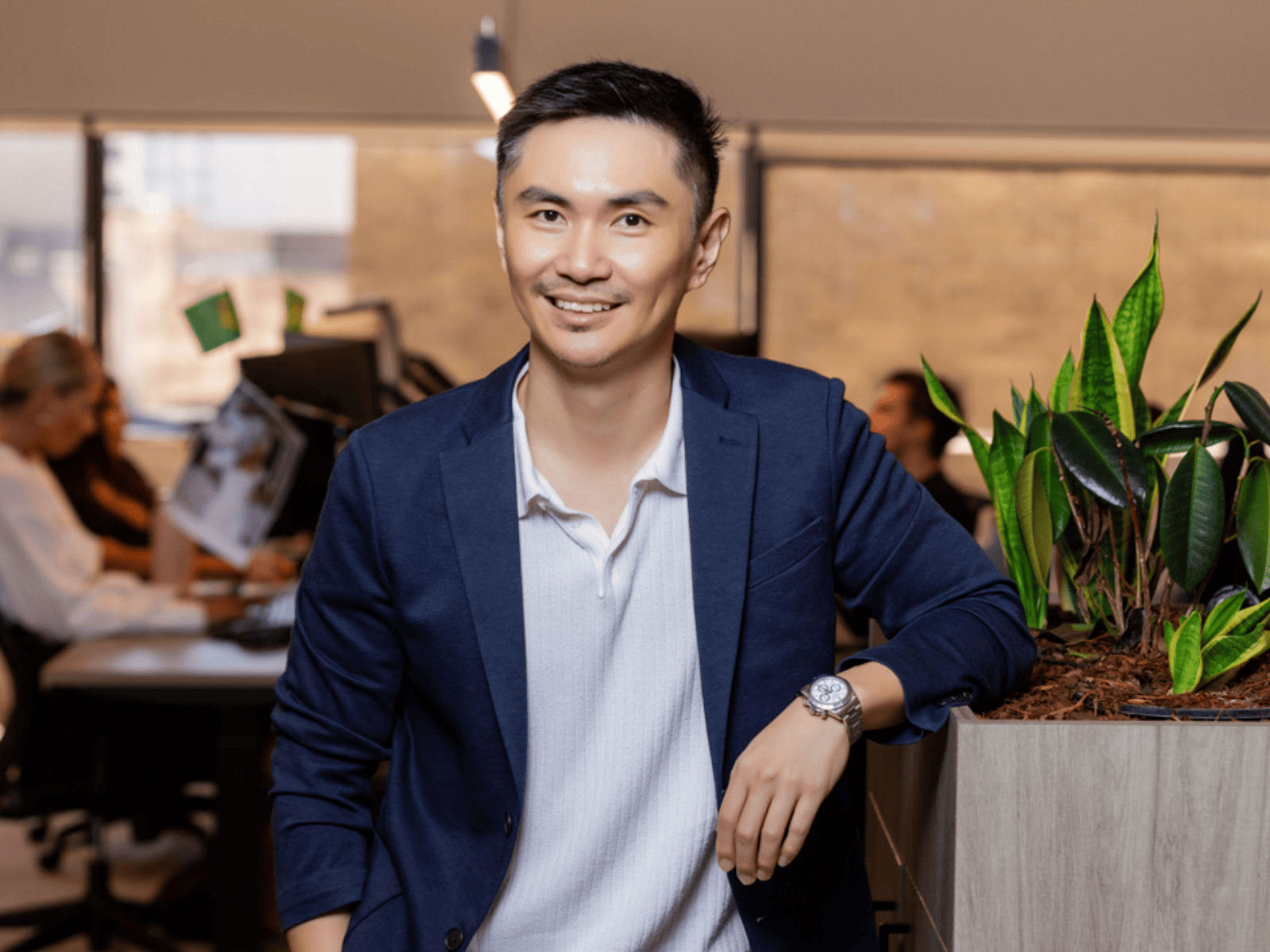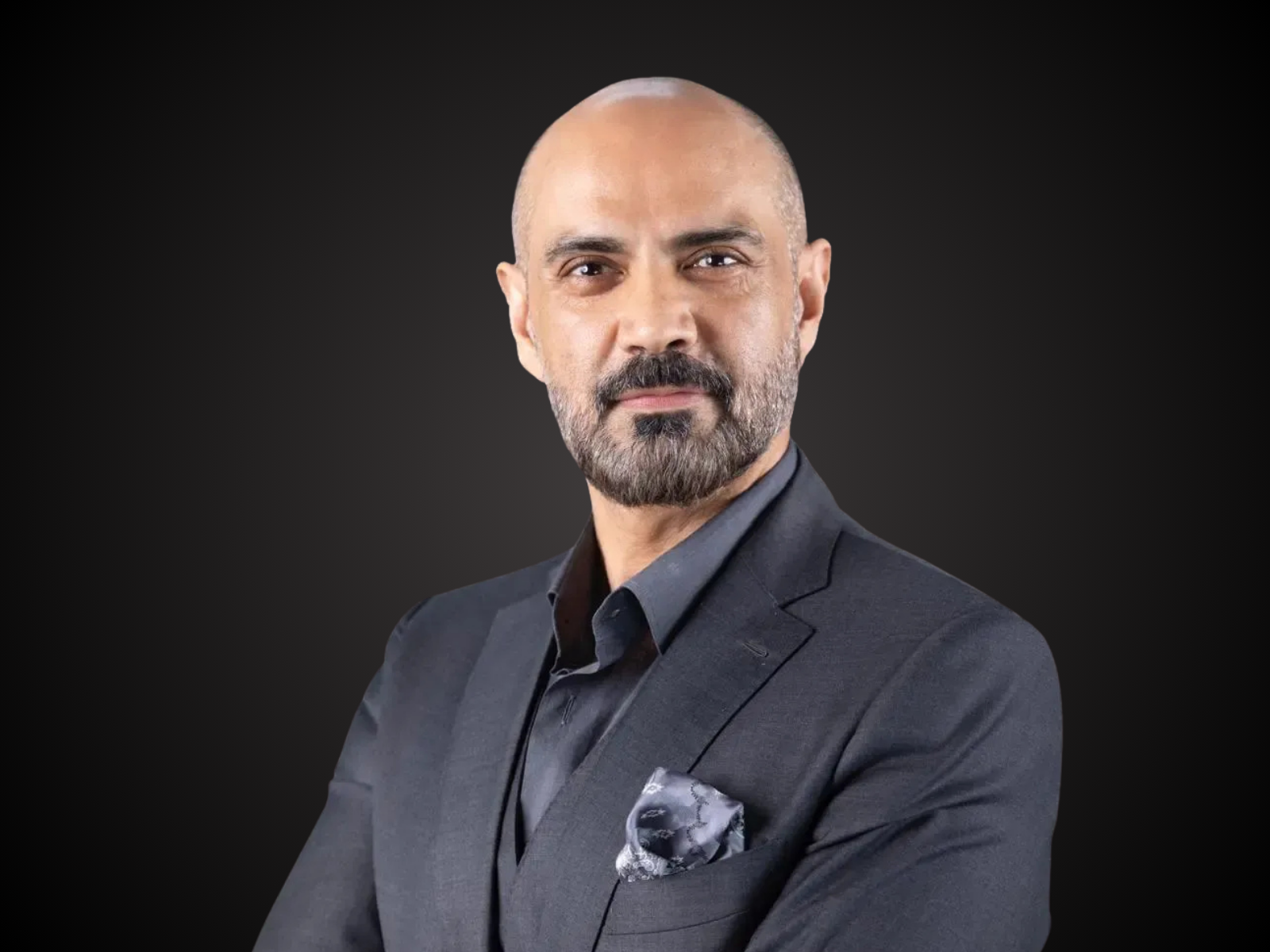
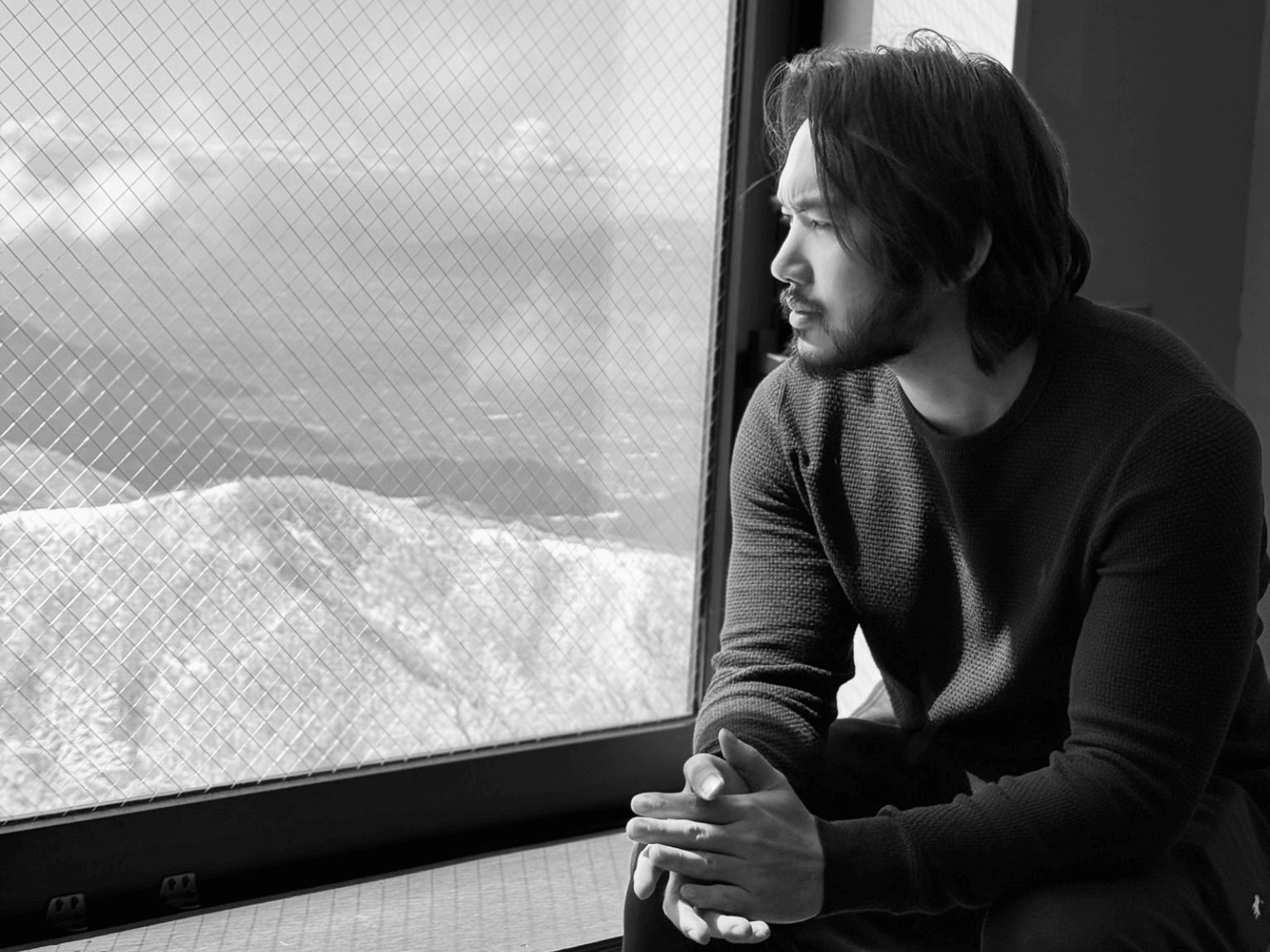
Russell Wee belongs to the second generation of the Jean Yip Group, a family enterprise that has grown over decades into one of Singapore’s most recognisable consumer services and real estate groups. He formally joined the business in 2025, taking responsibility for group finance and group investments.
His perspective is shaped by a dual reality that few experience simultaneously: being raised inside a founder-led organisation built through sacrifice and discipline, and stepping into the very different task of preserving, structuring, and carrying that legacy forward.
“I’m not an entrepreneur but a steward of capital,” Wee said. “My job is to successfully transfer capital from the generation before me to the generation after me.”
Early Formation
Growing up in a business family, Wee observed that what mattered most was not skill or growth stories, but discipline. The lessons were practical and repeated.
“I learned three things very early,” he said. “First, cash flow matters more than headlines. Second, reputation compounds faster than capital. Third, the business always outlives emotion.”
What shaped him most, he explains, was not success itself, but how mistakes were handled. Errors were addressed calmly and decisively, without theatrics. Over time, that created a long-term orientation that still defines how decisions are made.
“We don’t look at things in quarters; we look at things in decades,” he said. “You stop chasing wins and start engineering durability.”
“First, cash flow matters more than headlines. Second, reputation compounds faster than capital. Third, the business always outlives emotion.”
Built From Survival
Wee is direct about the conditions under which the first generation built the business. There was no ambition to create an empire. Business was survival — a response to circumstance, driven by the need to provide for family.
Early decisions were shaped by immediate needs rather than long-term planning. Over time, discipline over charisma, liquidity over ego, and resilience over optics became operating principles.
“There’s a tagline we always say — from a single salon to a household name,” Wee said.
It is a reminder of where the business began, and of the discipline and restraint that shaped its growth long before recognition followed.
Success as a Baseline
For Wee, growing up inside the business was less glamorous than people might imagine. Success was treated as a baseline rather than a destination. Starting with a head start meant there was little recognition for ambition, and complacency was met with quiet disappointment.
Being born into the family removed certain stresses, but it came with significantly higher expectations. Praise was rare because excellence was expected. Failure was not debated at length, and excuses carried little weight. What mattered was delivery. Effort without outcome did not count.
Over time, Wee learned self-regulation, self-criticism, and self-motivation, alongside an early understanding of calculated risk and exposure.
“Legacy is not only a privilege but also a responsibility,” he said.
Moving Into Responsibility
Wee studied and worked overseas, including in London, before taking on a more active role within the family business. His return was not marked by a formal transition or announcement. Responsibility expanded gradually, as the business — and its founders — moved into a different phase.
Attention began to shift from building to continuity. Questions that matter little in the early years became central.
That was where Wee’s role naturally took shape. While his parents continued to lead operations, his focus moved toward strengthening structure and ensuring long-term continuity.
Stewardship as a Role
“I’m a steward,” Wee said. “My role is to manage capital under constraint.”
Stewardship, as he understands it, prioritises preservation before expansion. Capital is constantly exposed to erosion—through inaction, excessive risk-taking, or structural decay—and losses compound asymmetrically. Every decision must therefore account for both upside and downside.
Time horizon is central. Wee evaluates outcomes over decades rather than years, with the understanding that the capital he manages must serve future generations as well as the present one. That perspective limits how aggressively risk can be taken and shifts focus away from standout wins toward durability.
“I don’t swing wide. I think in portfolios,” he said.
Restraint becomes an active discipline. Saying no is not a constraint but a responsibility—balancing fear of missing out against the risk of permanent loss. Beyond volatility, Wee focuses on shortfall risk: the danger that returns fail to meet the obligations capital is meant to sustain.
This is why he consistently returns to the idea of real wealth preservation. Preservation, as he defines it, is not static. It requires returns above actual inflation and resilient enough to withstand dilution over time.
“The best stewards aren’t remembered for big bets,” Wee said, “but because nothing broke on their watch.”
Misunderstood Incentives
When managers approach family offices and LPs, Wee says the starting point is often wrong. Many still treat them primarily as cheque writers, rather than as long-term partners with specific constraints and objectives.
“A lot of managers look at LPs or family offices as cheque writers,” he said.
In his view, this reflects a product-first mindset. Managers often lead with what they want to sell, rather than taking time to understand what the capital actually needs.
That gap is especially pronounced in how Asian family offices are understood. Unlike more short-term, results-driven investment cultures, Asian capital—particularly within family structures—operates on far longer timelines.
“For Asian family offices, we look at things in decades—decades and decades,” he said.
He attributes that orientation to deep cultural continuity across the region, where long-term thinking and relationship-based decision-making have been embedded over centuries.
“I think it’s almost hard-coded in the DNA,” he said.
Validation and Quiet Work
For Wee, stewardship is not work that invites recognition. When it is done well, progress often looks like stability—and stability often looks like nothing happening at all. That is not a flaw of the role, but its nature.
“This is not about recognition,” he said. “I’m not here expecting applause or praise.”
The validation he looks for is long-term and internal. Success is measured by continuity—whether the next generation inherits stability rather than disruption.
“I’m here to make sure my subsequent generations experience a lifestyle equivalent or greater than what I have,” he said. “That is the validation I need.”
Seeking external recognition, he argues, is actively dangerous in this context. It shifts attention away from responsibility and toward perception.
“If you want applause, praise, rockstar status—being a steward is the wrong lane,” he said. “A steward of capital—that’s the job.”
He draws a clear distinction between appearing successful and preserving wealth. In his view, wealth is often lost when attention shifts toward validation and perception rather than responsibility. For Wee, the work is simple in intention, if demanding in execution.
“I’m just trying to do my best at what I’m supposed to do—to do it well and sustain a legacy beyond generations,” he said. “Everything else is noise.”
Purpose, Not Comparison
Wee does not deny that comparison exists, particularly for second-generation leaders measured against founders. But he sees it as a different game altogether. The first generation built under conditions of survival. His responsibility is continuity.
“If I’m not as great as them—so what?” he said. “I’m happy my parents are that great. I don’t have to be. I’m grateful I’m their son. From the bottom of my heart, if I’m not as great as them, I’m glad they’re recognized for that level of greatness—because they are.”
He is explicit about the limits of comparison. He does not try to become a replica of the first generation, nor does he believe that is the task.
“I can’t be them,” he said. “But I am Russell Wee.”
What anchors him, ultimately, is a clear sense of purpose. Not recognition, but alignment with what he believes he is meant to do.
“My goal is to be the best steward of capital and the best custodian of legacy,” he said. “That’s my purpose in life.”